

There is a particular kind of tiredness that belongs to the person who isn't snoring. The one lying awake at 2 a.m., counting the gaps between rasps, doing arithmetic on how many hours are left. Ask around and you will find that couple in almost every building on your street — one of them exhausted from the noise, the other exhausted from the interrupted breathing that causes it.
For thirty years the standard answer to that problem has been a machine. Push pressurised air down the throat, hold the collapsed tissue open, and the noise stops. On paper it is elegant. In practice, a stubborn share of people never get past the first few weeks.
Adherence studies on positive-airway-pressure therapy have circled the same uncomfortable range for decades: a large minority of patients — commonly cited between four and six in ten — are no longer using their device a year after they were prescribed one. The machines themselves have improved enormously. Quieter motors, humidified air, gentler ramp settings, softer cushions. The abandonment rate has barely moved.
That mismatch is the interesting part. When the technology improves and the outcome doesn't, the problem usually isn't the engineering. It's the premise.
What people actually report
- A dry mouth and sore throat that lingers into the morning.
- Mask lines, pressure sores and irritated skin along the nose bridge.
- A shut-in, claustrophobic feeling that makes falling asleep harder, not easier.
- Waking to find the mask pulled off in the night with no memory of doing it.
- A running bill for masks, filters, tubing and cushions that never ends.
The Part Nobody Explains Properly
Here is what most people are never told in the ten minutes they get with a specialist: snoring is not primarily an airflow shortage. It is an obstruction.
When you fall asleep, the muscles of the throat and tongue relax. Lying on your back, the tongue drifts backward under its own weight and crowds the space at the back of the throat. Air still wants to get through, so it squeezes past soft tissue that is now flapping loose. That flutter is the sound. Narrow the passage further and the flutter becomes a full pause.
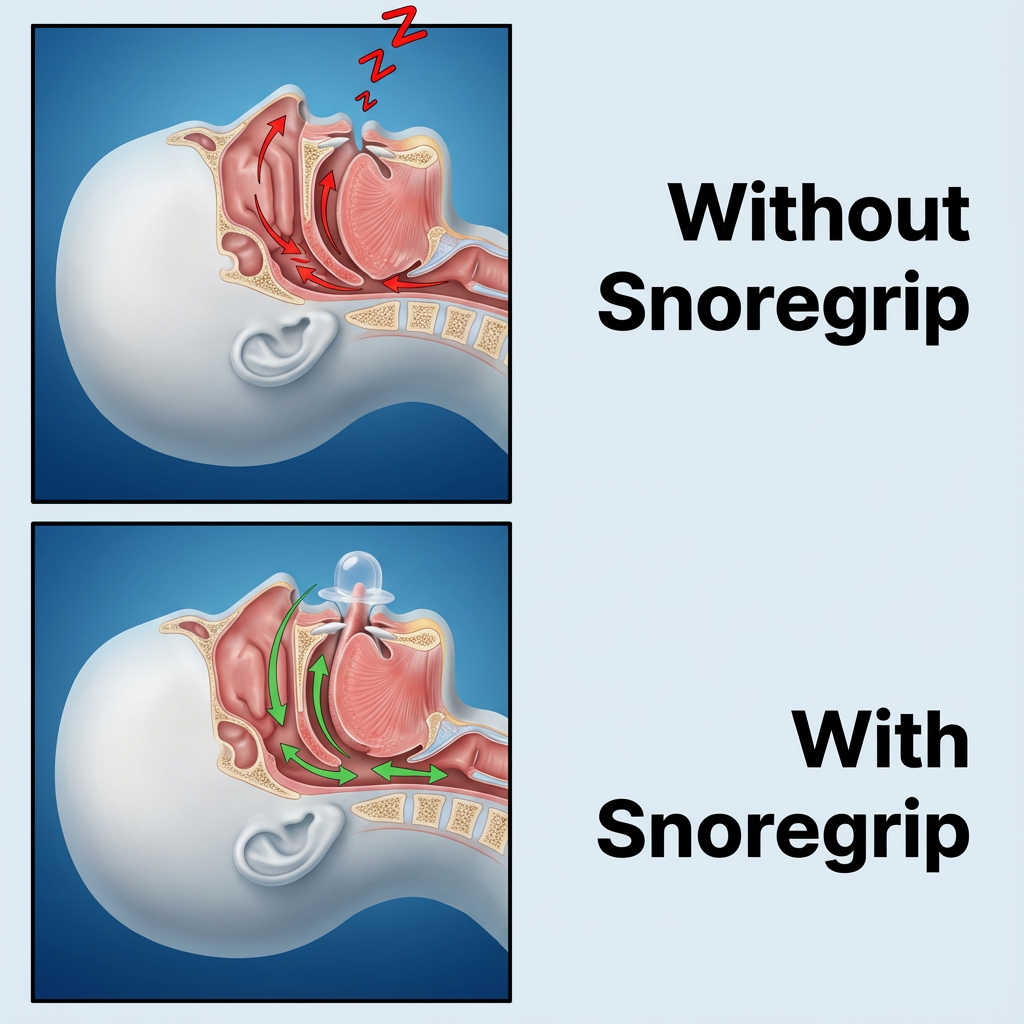
Once you understand it that way, the conventional treatments start to look like two different attempts to work around the same blockage rather than remove it.
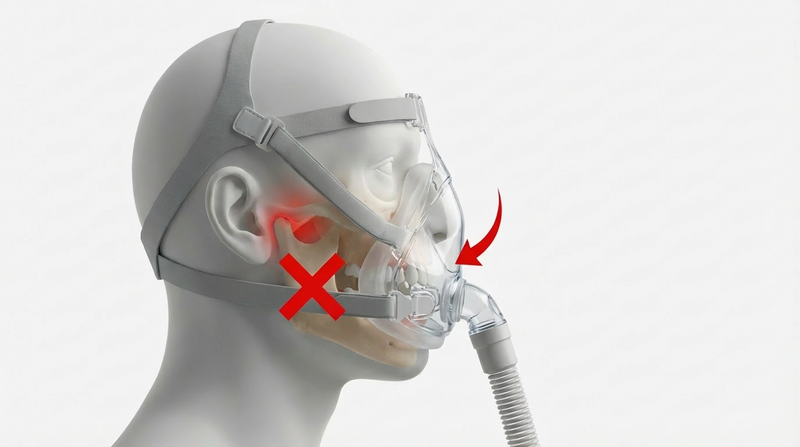
A pressure machine tries to push air through the narrowing. It can work well, and for people with severe, complex sleep-disordered breathing it remains the appropriate clinical route. But it also explains the panicky, fighting-your-own-body sensation so many first-time users describe. You are asleep, and something is blowing.
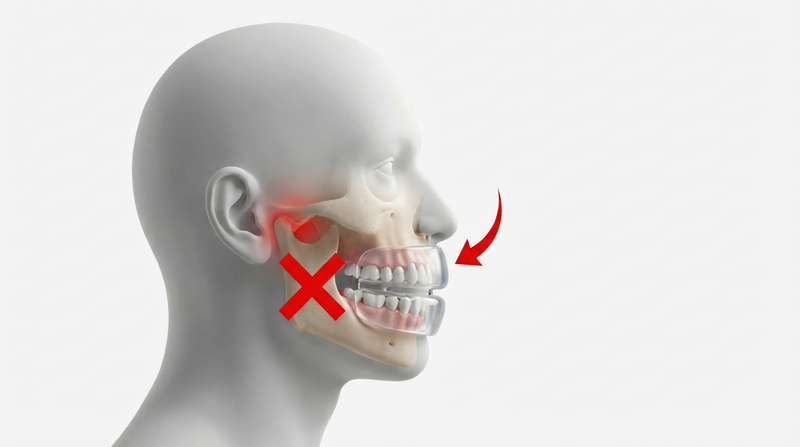
A mandibular advancement mouthguard tries to make more room by dragging the lower jaw forward and holding it there for seven hours. It also works for a lot of people. It is also why jaw ache, bite changes and tooth movement show up so often in long-term reviews.
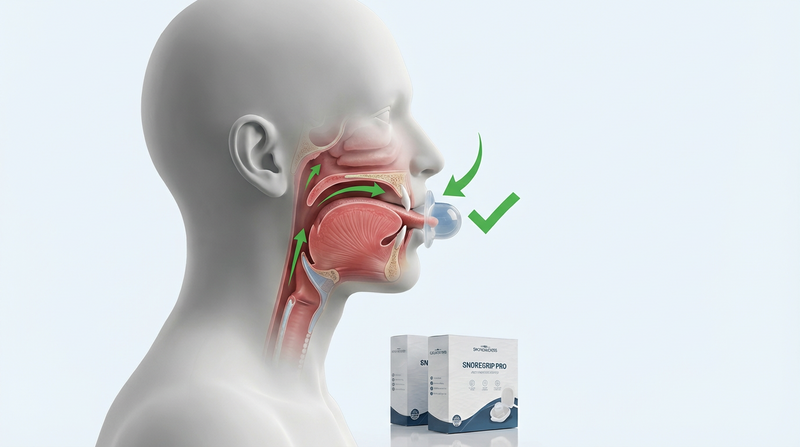
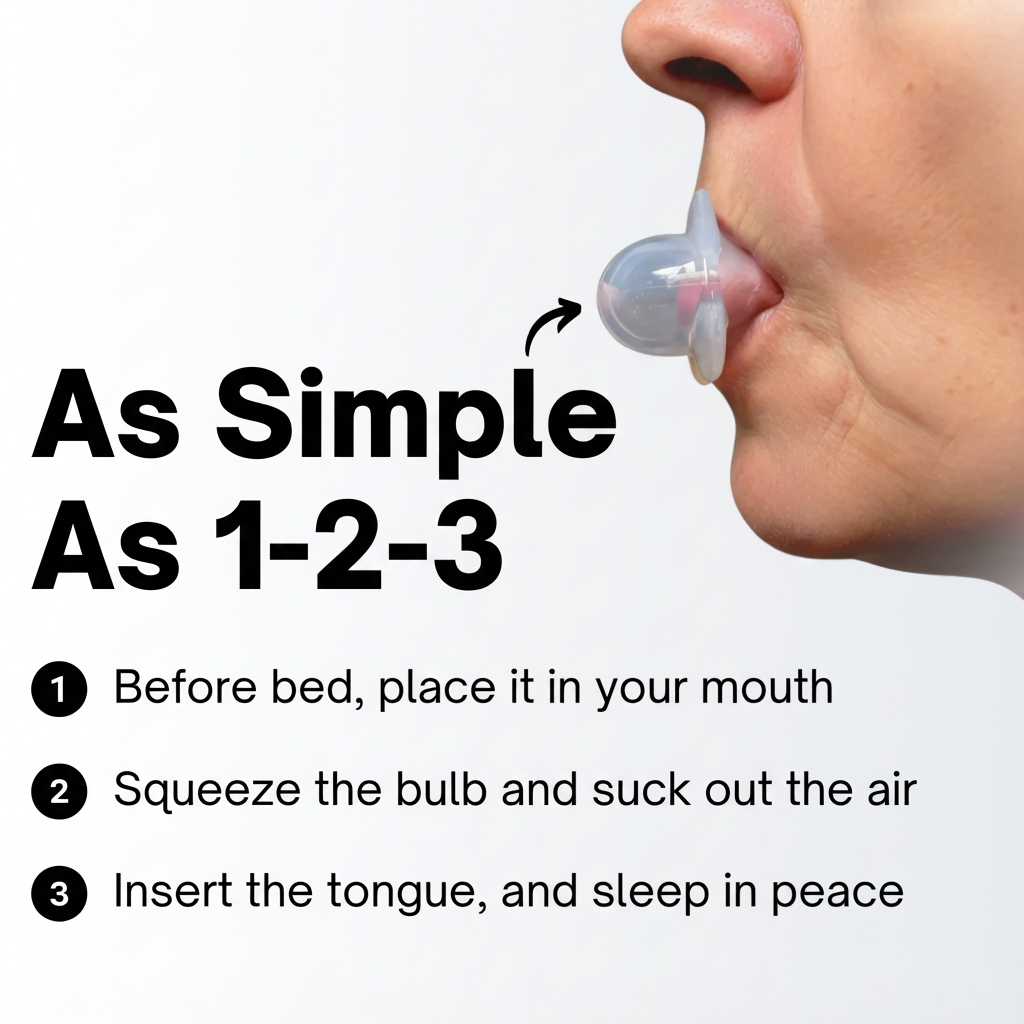
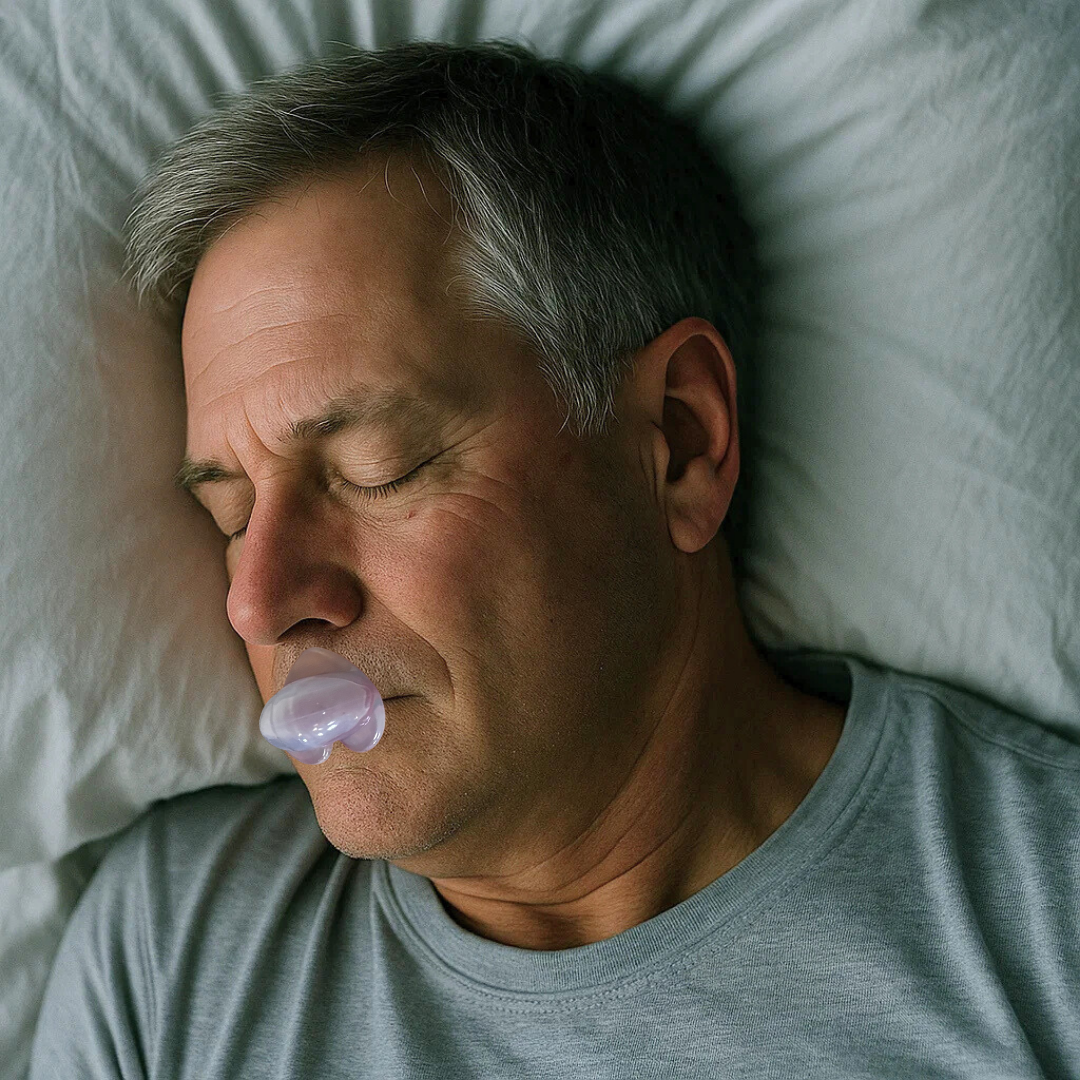
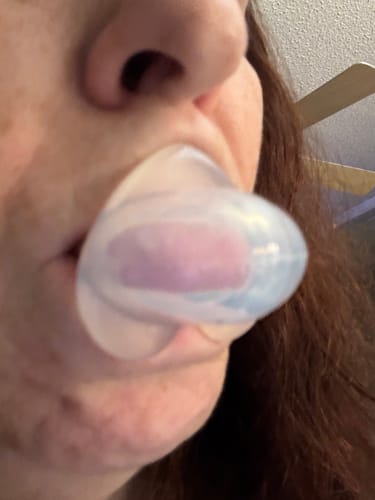
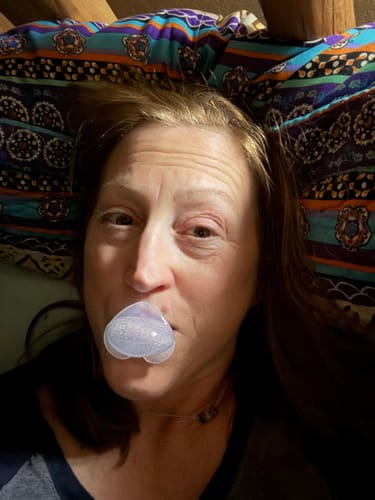
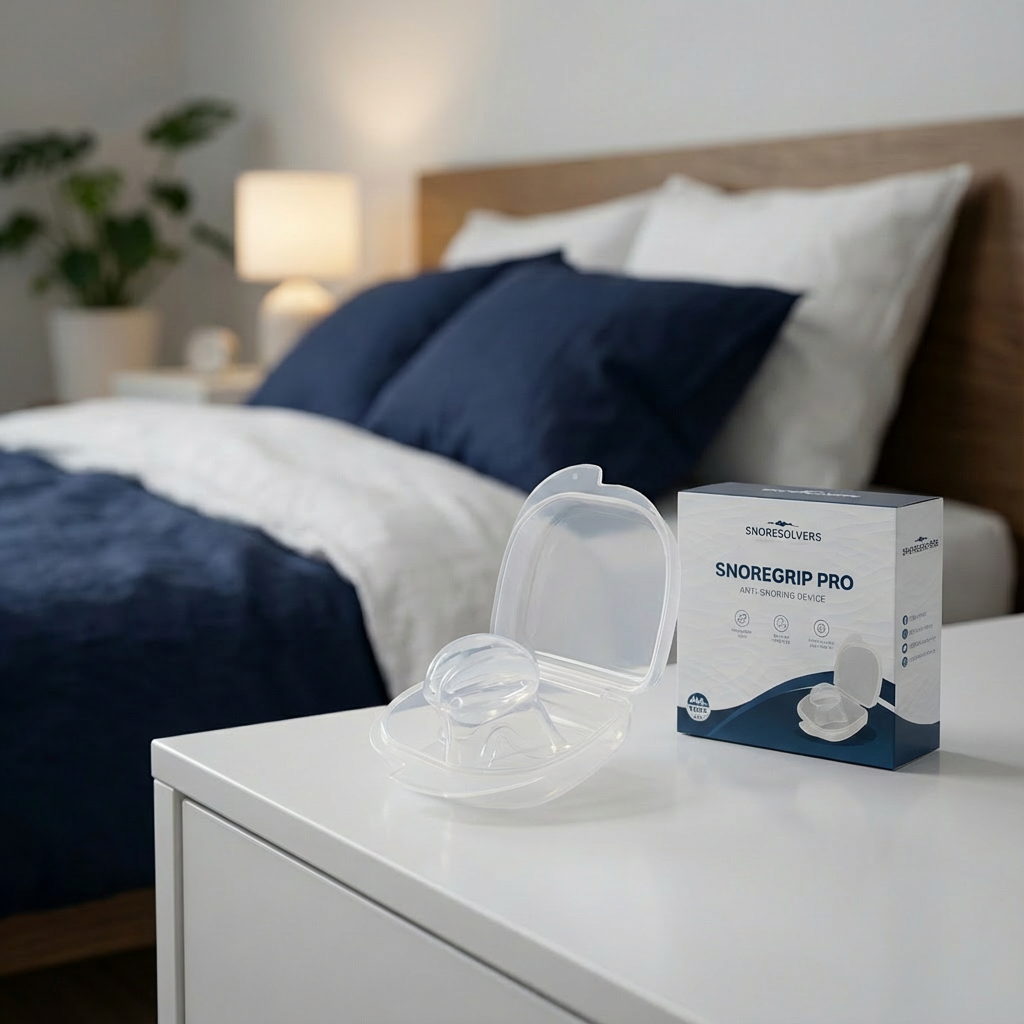
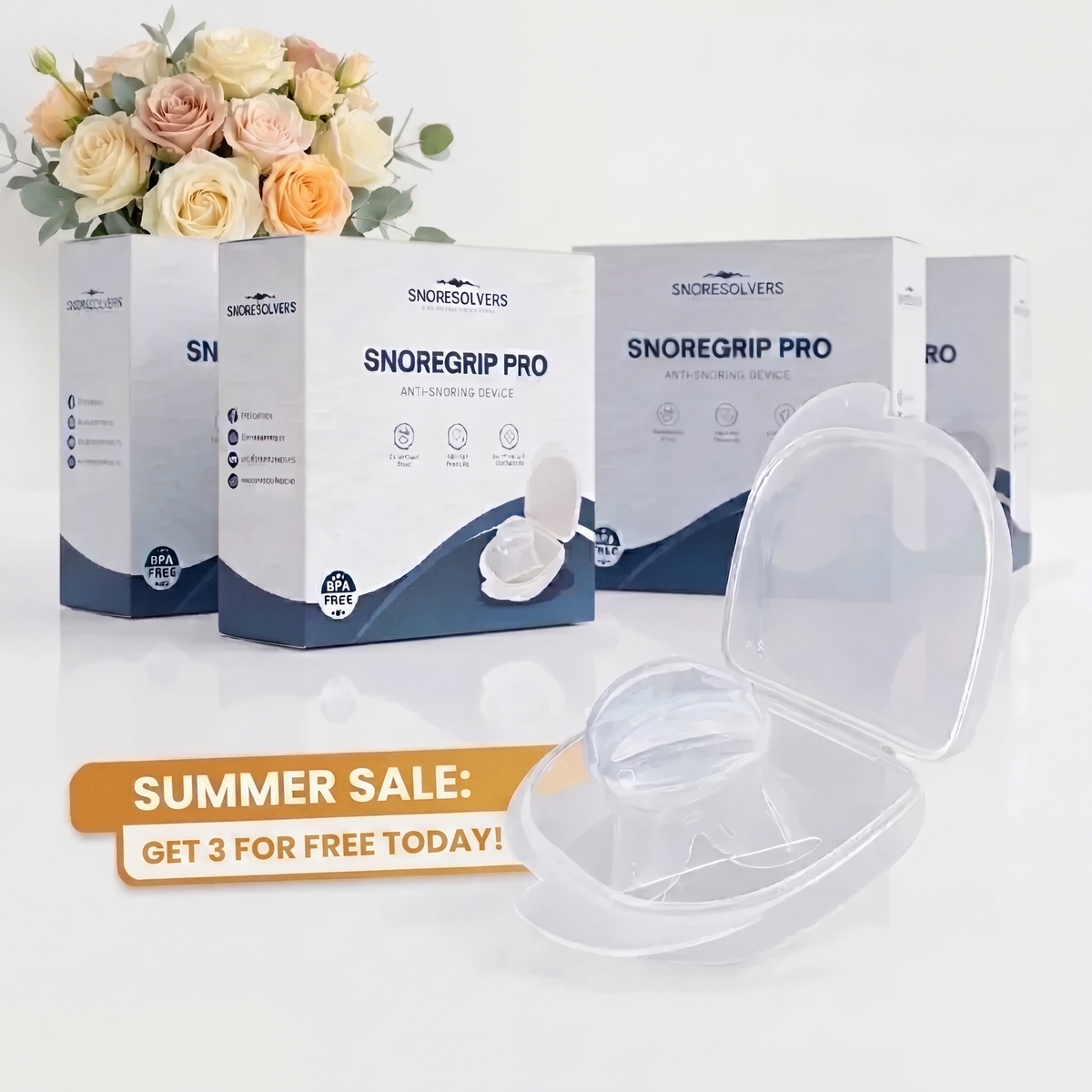
Tongue retention asks a blunter question. If the tongue falling backwards is the blockage, why not simply keep the tongue from falling backwards?
Opens the official Snoresolvers store · 30-day money-back guarantee

Reader Comments (38)
Marcus R., 41
my machine has been sitting in the closet since february. nobody ever mentioned there was another mechanism entirely. slightly annoyed about that but glad i know now
4 days ago · 26 likes
Joanne W., 55
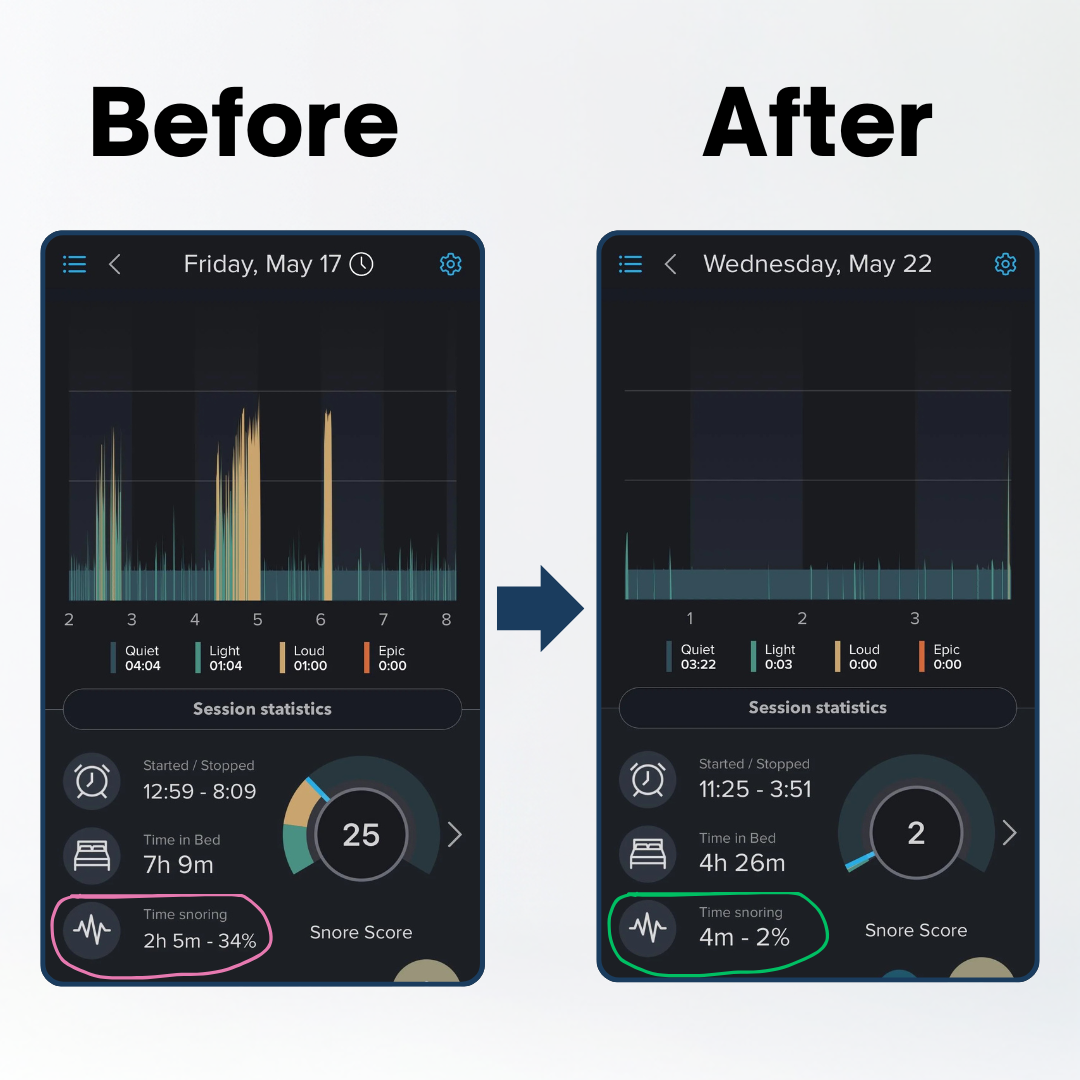
first two nights I nearly gave up, felt so weird. stuck with it and by day six I stopped noticing it. husband says the room is silent now which after 20 years is a bit unnerving honestly
4 days ago · 19 likes
Bev T., 60
same experience here. night 3 is the wall, push past it
3 days ago · 8 likes
Dan K., 47
bought the 4 pack. one lives in the wash bag permanently, one on the nightstand, gave one to my brother in law. worked out much cheaper than ordering twice like I did last time
3 days ago · 34 likes
Priya H., 38
tongue was a bit tender the first morning. turned the suction down like the instructions say and that sorted it completely
2 days ago · 15 likes
Gordon L., 63
appreciate an article that explains the mechanism instead of just shouting at me to buy. the airway diagram made it click
2 days ago · 41 likes
Sofia N., 34
the return window is what made me actually click order. figured worst case I send it back
yesterday · 22 likes
Ray A., 52
wore a jaw guard for three years and my bite genuinely changed. wish I'd found the tongue version first
yesterday · 29 likes